
Clinton Township Previous Residents by Record Era
One address produces a layered trail. A current parcel card gives the legal description and the present ownership clue. The deed index can carry that legal description backward through transfers. Historical directories and census schedules add household evidence, while maps and permit files help decide whether the same number and structure existed in the earlier period. Clinton Township has no verified single online directory of past households, so the useful route combines online indexes with the original recorder, library, archives, and a written request when a record is not searchable.
| Source | Years It Covers | Where Held | What It Shows |
|---|---|---|---|
| Parcel card and deed index | Online beginning year not stated by the county | Clinton Township Assessing and Macomb Register of Deeds | Parcel, legal description, parties, recording date, and transfer trail |
| Mount Clemens City Directory Master Index | 1896-1966 | Mount Clemens Public Library | Names, addresses, and household clues in city or nearby-area volumes |
| Macomb County government directories | 1947-48 to 2023-24, with listed gaps | Macomb County directory archive | Public offices, organizations, communities, and institutional context |
| Federal census | Released through 1950 | National Archives, FamilySearch, and library services | Household relationships and enumeration geography |
| Building and permit material | Public online historical cutoff not located | Clinton Township Building Department | Address and project chronology through direct request or FOIA |
Start with the latest parcel and land-document facts when the question is about ownership. Start at a library index when the question is who lived there before. The 1950 census is the latest released federal schedule under the 72-year rule, so later household questions need local directories, notices, deeds, permits, and original-custodian channels. The Macomb County Clerk / Register of Deeds is the lead county custodian for land records.
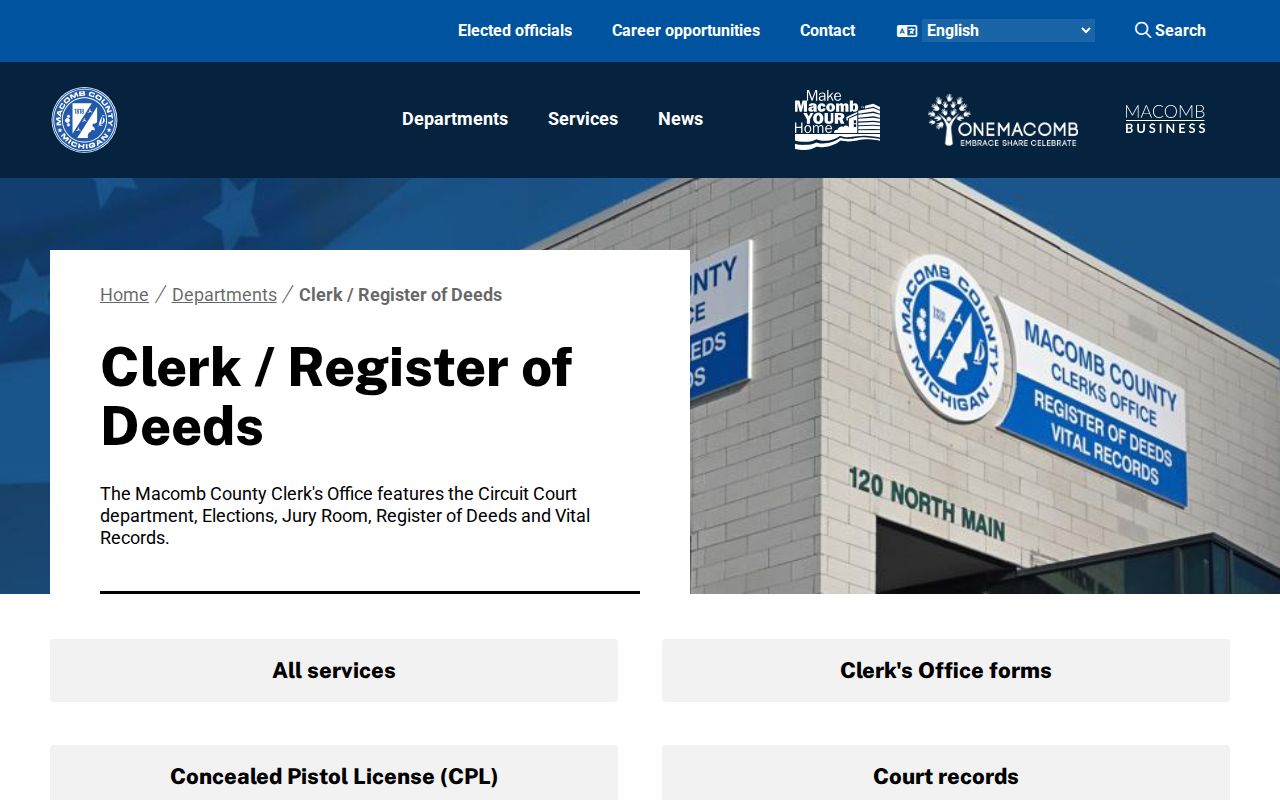
The county office, its online options, public terminals, mail channel, and staff search service are all part of a complete backward address search.
Start Previous Residents with a Clinton Township Parcel
The Clinton Township property and tax search directs users to BS&A Online. Its directions support address, owner-name, and parcel-number searches. For an address search, enter the address without “Drive,” “Street,” or “Court.” The parcel-number search begins with a prefilled 16-11- prefix, after which the remaining parcel portion is entered. Record the situs address, parcel number, legal or subdivision description, recent sale information, owner name, and mailing address separately.
A situs address is the physical location of the parcel. A mailing address is the address used for tax correspondence. They can differ because an owner moved, uses an entity or trust, or directs mail through another address. Neither field supplies a complete past-household list. The Macomb GIS Parcel Explorer can then connect an address to parcel boundaries, dimensions, subdivision plats, aerials, ZIP, school, and flood layers. Its aerials are general reference and may not align exactly with legal lines.
Note: The Township directions do not state an online historical cutoff, so confirm older card availability with Assessing rather than assuming it is complete.
Clinton Township Index Gaps for Previous Residents
The Macomb Register of Deeds search options separate a free basic index from an advanced subscription route. Basic search is grantor and grantee based. The subscription route adds address, legal description, parcel ID, and names after full indexing and verification. The official instructions do not give a single first online deed year, so an older transfer should never be ruled out solely because a web result is blank.
The county’s status information warns that a document can be searchable only under the first grantor or grantee while full indexing is pending. For a difficult record, try both party names, an approximate recording year, and the legal description. The next channels are free public-terminal index viewing at 120 N. Main Street in Mount Clemens, a $5 staff search, $1-per-page office copies, or a mail request. A mail request should provide document type, grantor or grantee, approximate date, and the address, legal description, or lot number. Appointments are requested for visits.
The Register of Deeds status page records the first-party indexing caution.
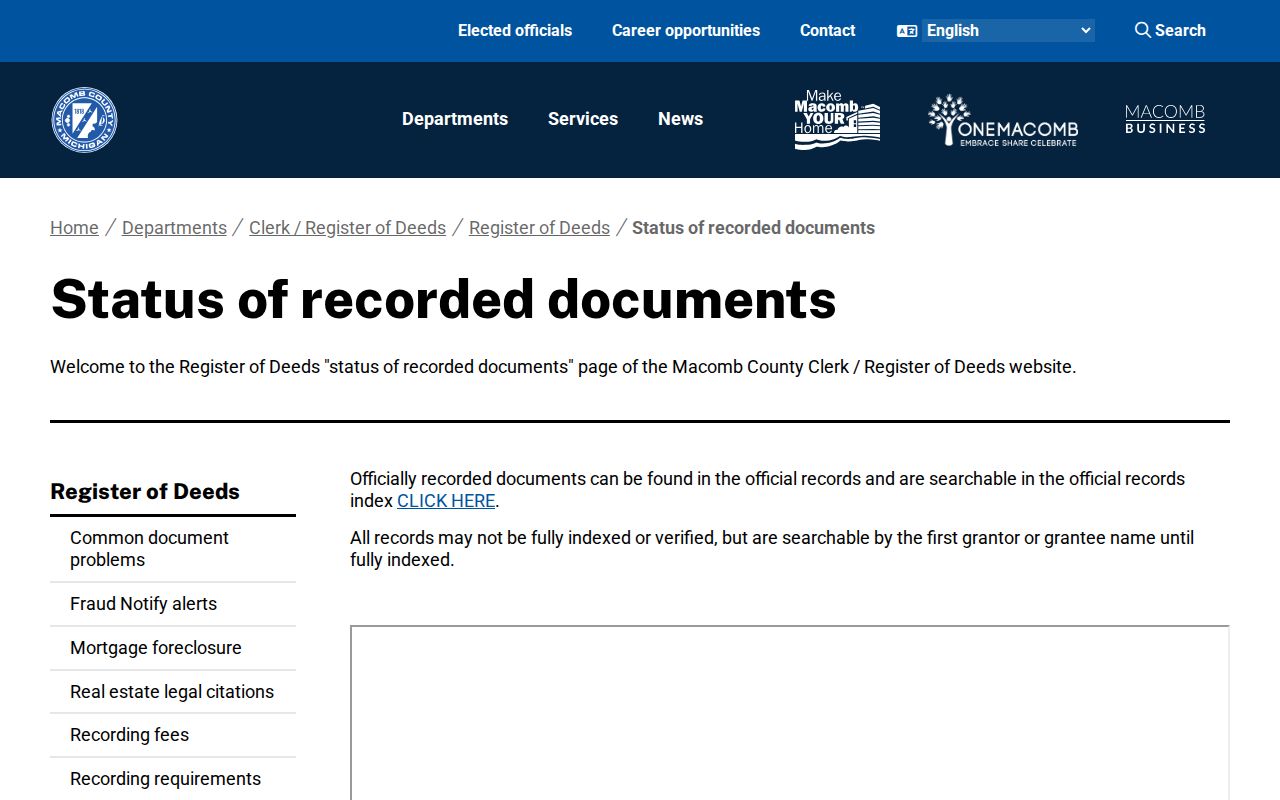
A result must be checked against the indexed party, document type, date, and legal description before it is placed in an address history.
Trace Clinton Township Previous Residents Through Deeds
A deed chain starts with land, not with a household roster. Take the current owner and legal description from the parcel card, then search that owner as a grantee near the known sale date. The grantee is the party receiving the property; the grantor is the party conveying it. The seller named in that document becomes the next person to search as a grantee in an earlier period. This backward motion repeats until the chain reaches an index gap, older book, microfilm question, or a transfer where the legal description needs closer review.
- Open the parcel card and copy its legal description, subdivision, lot or block, parcel ID, and a known sale date.
- Search the current owner as grantee in the basic index near that date and inspect the deed or indexed record.
- Record the seller, recording date, document number or liber and page, and legal description before moving back.
- Search that seller as grantee for the seller’s own purchase, then repeat the same capture steps.
- When address searching fails, use legal-description and parcel variants or ask the recorder about older books, microfilm, counter research, or mail search.
- Grantor / grantee
- The grantor conveys an interest in land. The grantee receives that interest.
- Chain of title
- The ordered sequence of transfers that connects one land interest to an earlier one.
- Legal description
- The lot, block, subdivision, or other formal land description. It can hold the trail together when a street number changed.
Deeds can reveal joint owners, trusts, corporations, life estates, liens, mortgages, easements, plats, and transfer clues. They do not identify everyone who lived at a property. Treat a mailing address in a deed or tax file as a historical lead and cross-check it before calling it a residence.
Old Clinton Township Names in Previous Resident Trails
Modern address searching can hide an older record under a different locality label. Clinton Township began as Huron Township and was later renamed for the river and DeWitt Clinton. Historic records can use Frederick, Marcellus, Quinn, Cady’s Corner, Mount Clemens, or a larger Huron or Clinton township geography. The early settlement story also matters: New Gnadenhutten was established in 1782, later became Casino, and by 1818 was known as the Village of Frederick. A sawmill fire in 1852 turned Frederick into a ghost town.
These names are useful search terms in newspapers, plats, church material, and archive descriptions. The Greater Clinton Township Historical Society and Historical Commission maintains historical-village material, articles, photographs, maps, and topic searching. A historical map can show that a structure or road existed in a period, but it does not name ordinary past residents. Combine it with a deed, directory, or census result.
The historical society source offers the local historical context.
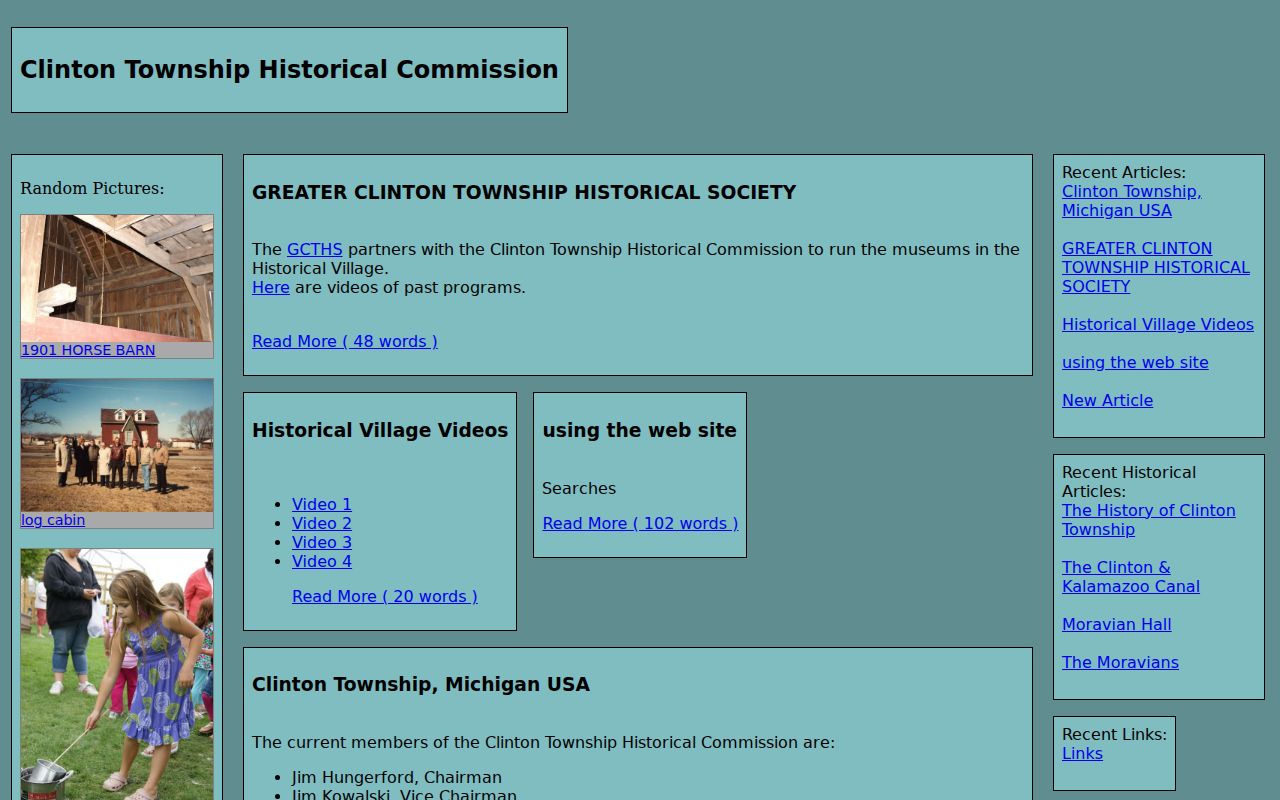
Search old place names alongside the current address, especially when a modern subdivision label has no match in an older record.
Clinton Township Previous Residents in Directories
Land ownership is only one layer of an address history. A city directory, reverse section, or census schedule can add the people printed with a house number in a particular period. The Mount Clemens City Directory Master Index covers 1896 through 1966, but it is an index to county-seat directories and nearby communities may or may not appear in each volume. Inspect the underlying volume and its geographic scope. The historical collections and how to read their entry marks are detailed on the Clinton Township city directory page.
Pair a dated directory entry with the nearest released census. Federal schedules for 1900, 1910, 1920, 1930, 1940, and 1950 can add relationships, ages, and enumeration geography. A historic directory may use initials, a married woman’s spouse, widow notation, or an older street name. Census boundaries also shifted as Mount Clemens, Fraser, and other communities formed from historic township territory, so an entry may fall under a different civil place or enumeration district than a current address.
- Begin with an address or surname in the nearest directory or library index, and record the exact volume year and page.
- Check the alphabetical entry and the street-order section when the volume has one.
- Move to the closest released census and compare the household details with the directory’s address and name variants.
- Use a plat, atlas, or map where the street number or locality label differs between the two dates.
- Follow a death, estate, or family transition through the obituary and probate indexes rather than treating a disappearance as a final answer.
Lawful use. Clinton Township past-resident research belongs to family and house history, estate work, and personal curiosity. Do not use a historic record to harass, track, or harm any living person.
Date Past Addresses of Clinton Township Residents
Maps, permits, and archive records can test the physical side of a past-residents trail. The Library of Congress December 1909 Sanborn set for nearby Mount Clemens has sixteen sheets. The Library of Michigan reports Michigan Digital Sanborn Maps coverage from 1867 to 1970, though the live search must confirm the sheets for a particular Macomb or Clinton-area place. Sanborn maps usually show a structure footprint, material, street names, lot setting, and use. They are evidence of address continuity, not a list of people.
For later changes, the Clinton Township Building Department supplies applications and inspection requests but no verified completed-permit search index. Request closed permits, inspection logs, or address-indexed files directly, describing the exact address and date range. A Michigan FOIA request to a public body must describe records sufficiently to locate them. The response is due in five business days, with a possible ten-business-day extension, and allowable fees can include search, review, separation, copying, and mailing.
Note: A permit applicant, contractor, or address in a project file is not proof of every person who lived at the property.
Close a Clinton Township Past Residents Trail
Obituaries and probate often help explain a departure from an address. Mount Clemens Public Library lists the Macomb County Obituary Index from 1941 forward with older content and a Macomb County Probate Index with varied modern coverage and microfilm holdings. An obituary can identify relatives, a former address, funeral home, cemetery, or death date. A probate file can identify an estate, fiduciary, heir, guardian, and filing date, subject to protected material and court access rules. Search each as a dated cross-check, not as a substitute for the original file.
When a name trail reaches a financing record, the Michigan UCC search is a debtor-name index with All and Unlapsed options. It can identify an initial financing-statement number, amendments, document type, filing date and time, and secured-party information. It is not an address directory and does not establish who lived at a parcel. Copies or recorder documents may be needed to understand any filing.
The Michigan UCC source shows this supplementary record route.
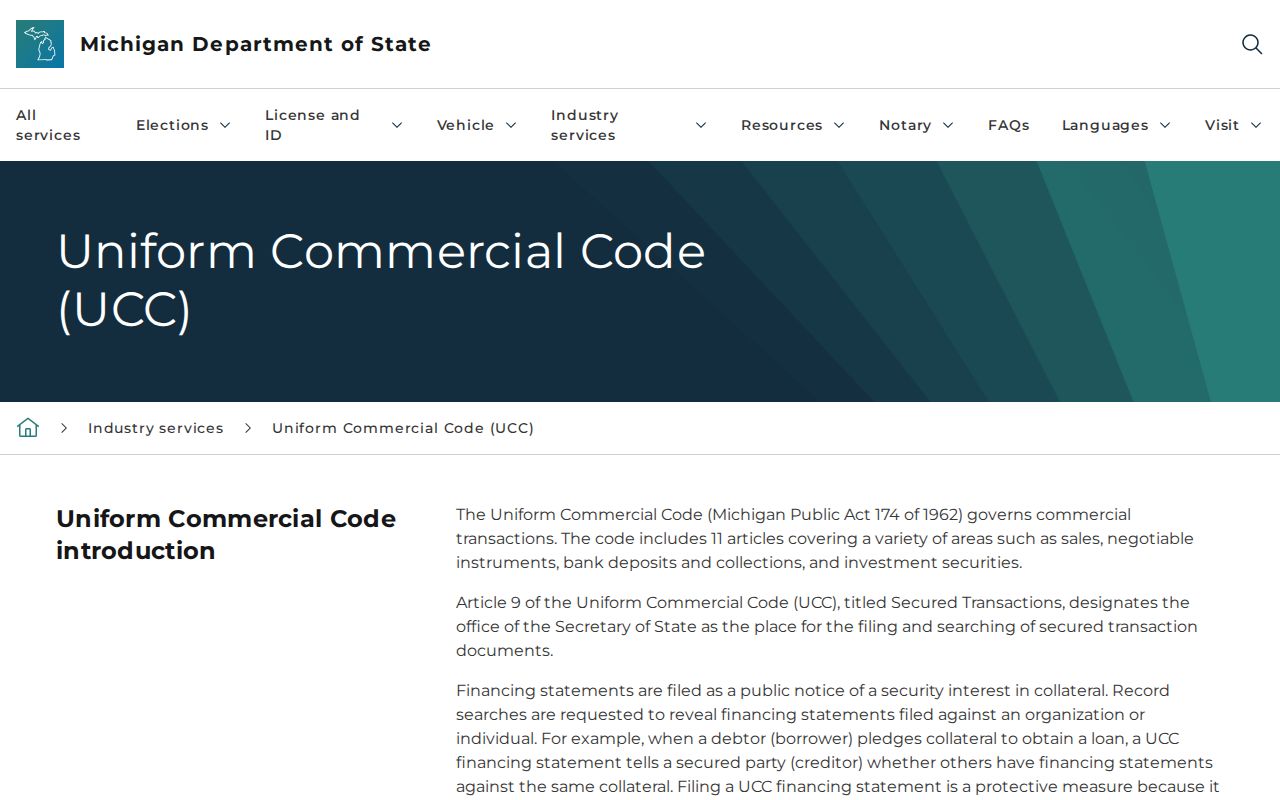
Use the UCC result only as a narrow, dated name clue, then return to deeds, directories, library indexes, or the original custodian for address history.